Planning a lamppost LED display installation requires coordination between site conditions, display specifications, infrastructure, and advertising objectives. Addressing these factors before procurement helps project owners choose suitable equipment and avoid costly installation changes.
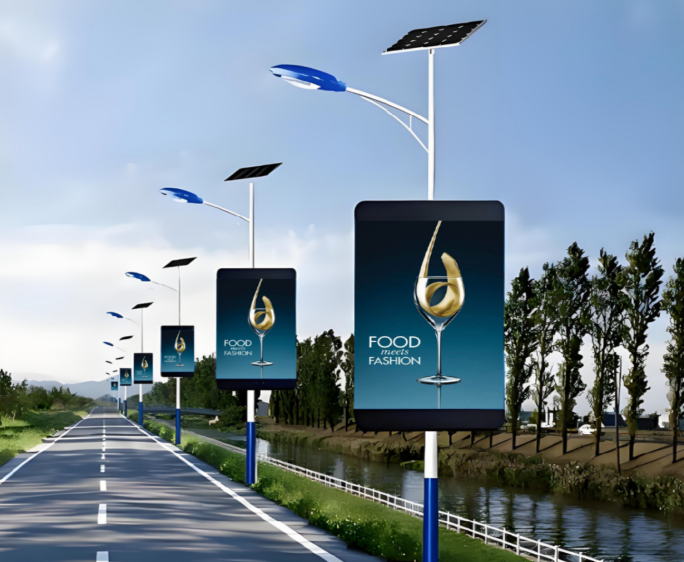
How Should You Assess a Lamppost Site Before Installation?
Confirm Pole Ownership
Identify the pole owner and obtain the necessary permissions before ordering equipment. Municipal, utility owned, and privately owned poles may have different attachment agreements and approval procedures.
Evaluate Structural Capacity
Check the pole material, foundation condition, corrosion, existing attachments, and proposed mounting arrangement. A qualified structural engineer should assess the additional display weight and wind loading against applicable local requirements.
Determine Viewing Direction
Consider traffic flow, pedestrian routes, viewing distance, mounting height, and surrounding obstructions. The display should remain visible to its intended audience without interfering with road safety or existing infrastructure. These factors should be evaluated during the initial lamppost LED display installation 계획 과정.
How Do You Select the Right Lamppost LED Display?
픽셀 피치를 시청 거리에 맞추세요
Pixel pitch affects image clarity at different viewing distances. Finer pitches suit applications requiring detailed content at closer range, while larger pitches may suit audiences viewing the screen from farther away.
PTCLED의 가로등 LED 디스플레이 offer P2.5, P2.9, P3, P3.9, P4, and P4.8 options. Confirm the available configuration and cabinet dimensions against the project's viewing requirements.
Verify Brightness and Weather Protection
Assess sunlight exposure, brightness adjustment, local luminance restrictions, and the selected model's weather protection rating. Also check its operating temperature range and thermal management requirements to ensure suitability for the installation environment.
Confirm Mounting and Maintenance Requirements
Request the complete equipment weight, projected wind area, mounting details, and service access requirements. Front service access may simplify repairs where rear access is restricted, although technicians still need safe working conditions and suitable access equipment.
How Should You Plan Power and Content Control?
전기 용량 확인
Verify the existing supply's voltage, current capacity, switching arrangement, and protection devices. If the circuit cannot support the display, additional cabling or electrical upgrades may be necessary.
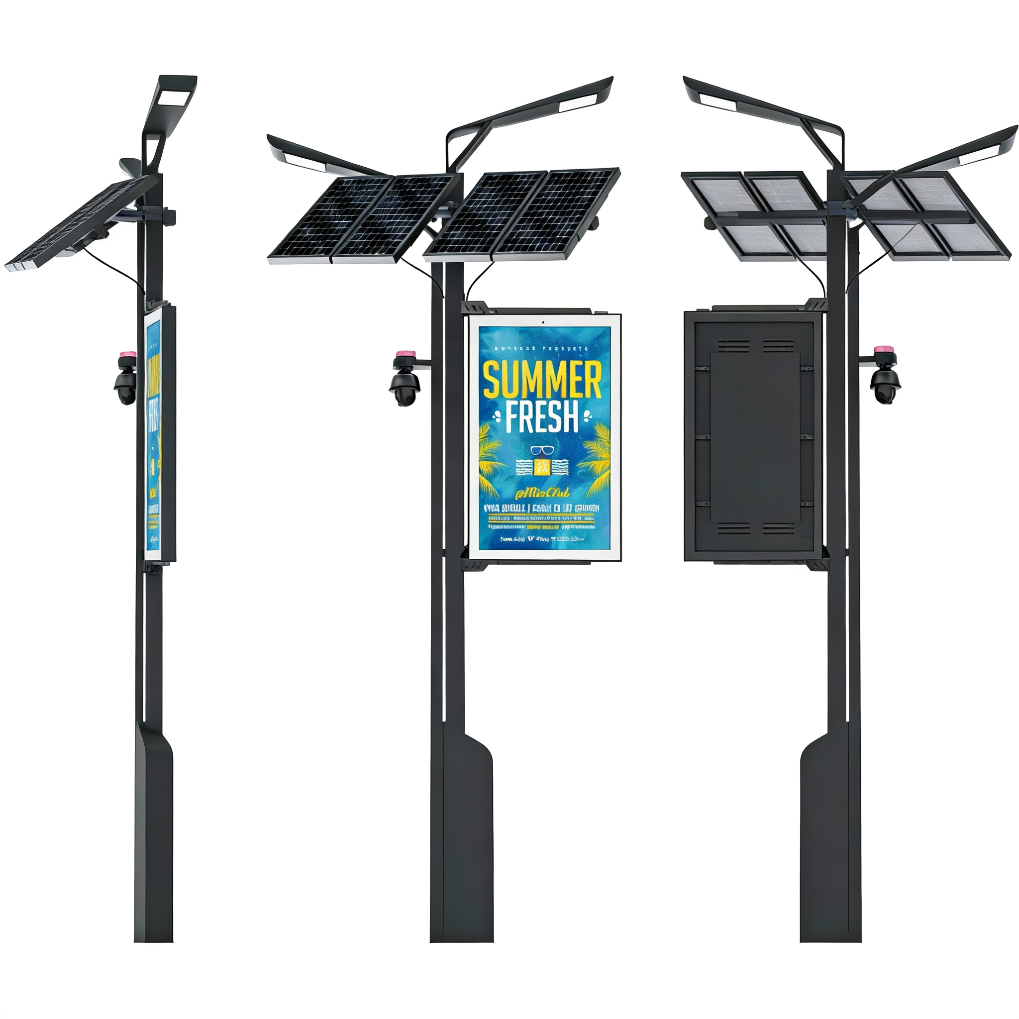
Evaluate Solar Power Options
Solar power may suit locations with limited grid access. PTCLED's LP Pro solar powered display integrates a display with solar panels, battery storage, and intelligent control.
Confirm the selected configuration's power consumption, battery capacity, operating hours, and expected performance under local weather conditions before determining whether it meets the project's needs.
Configure Remote Content Management
Choose a supported connection method based on network coverage and the number of displays being managed. Test content uploads, playback schedules, brightness settings, and remote recovery before commissioning.
How Can You Manage Installation Costs and Supplier Selection?
Confirm Compliance Requirements
Local regulations may govern display brightness, operating hours, placement, structural safety, and electrical installations. Confirm the applicable requirements with local authorities and qualified professionals before fabrication.
총 프로젝트 비용을 계산하세요
Budget for the display, mounting hardware, structural engineering, electrical work, permits, installation, and commissioning. Include maintenance labor, replacement parts, access equipment, and potential service interruptions when estimating long term operating costs.
공급업체 역량 검토
Check whether the supplier can adapt display dimensions and mounting arrangements to the pole and project requirements. Request technical documentation covering equipment weight, power consumption, mounting details, and environmental ratings.
Also confirm warranty terms, replacement part availability, installation guidance, and technical support before placing the order.
자주 묻는 질문
What Determines the Cost of a Lamppost LED Display Installation?
The main factors include display dimensions, pixel pitch, mounting hardware, engineering, electrical infrastructure, permits, and installation access. Solar powered systems may also require investment in panels, batteries, and energy management.
Can an LED Display Share a Pole with a Streetlight?
It may be possible, but the combined installation must be evaluated for structural capacity, wind loading, electrical safety, mounting clearance, and local approval requirements.
How Is Battery Capacity Determined for a Solar Powered Display?
Battery capacity depends on energy consumption, operating hours, required autonomy, charging efficiency, and local sunlight conditions. Use verified product data and a site specific energy assessment to determine the appropriate system size.
How Can Installation Delays Be Reduced?
Confirm pole ownership, complete the site survey, and begin structural, electrical, and permit reviews before ordering equipment. Clear responsibilities for approvals, installation, and commissioning also help reduce delays.
맺음말
Successful lamppost LED display projects require suitable site conditions, verified specifications, reliable power, and realistic cost planning. LED 디스플레이 팀에 문의하세요. to discuss your project requirements before finalizing the installation plan.




