Choosing the right LED display banner requires more than comparing screen sizes and prices. Viewing distance, ambient light, environmental exposure, and installation conditions all influence display performance.
Understanding these factors helps businesses select a suitable model for their advertising location and daily operating needs.
How Do Indoor and Outdoor LED Display Banners Differ?
Indoor Displays Suit Close Viewing
Indoor LED display banners are commonly used in shopping malls, retail stores, exhibitions, and other indoor venues. Viewers may stand relatively close to the screen, making pixel pitch an important consideration. A finer pixel pitch can provide clearer images at shorter viewing distances.
Al comparar LED display banner models, consider the viewing environment, available space, and expected audience distance before choosing a configuration.
Outdoor Displays Suit Exposed Locations
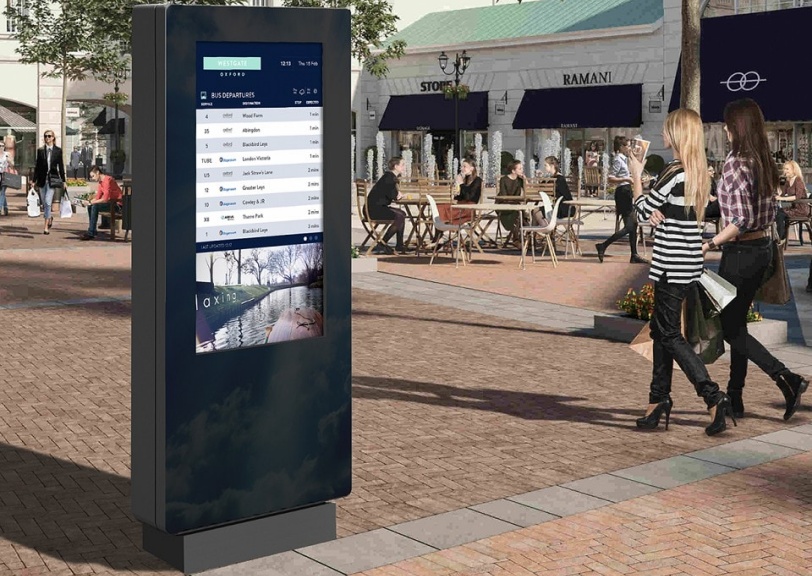
Outdoor LED display banners need to remain visible under changing daylight conditions and withstand environmental exposure. Brightness, enclosure protection, and operating conditions should therefore be evaluated alongside image quality.
The AP1 outdoor LED display banner is designed for outdoor advertising applications such as shopping plazas, train stations, and airports. Its available pixel pitches allow buyers to compare configurations for different viewing distances and installation requirements.
How Should You Select Pixel Pitch and Brightness?
Pixel Pitch Matches Viewing Distance
Pixel pitch affects image detail and the distance at which individual pixels become less noticeable. Smaller pixel pitches generally suit closer viewing, while larger pitches may be appropriate when viewers stand farther away.
PTCLED's AP3 indoor series offers pixel pitch options from P1.2 to P2.5, while the AP1 outdoor series lists options from P1.8 to P4.8. Buyers should confirm the available pitch for the exact model and balance image clarity with budget and viewing distance.
Brightness Matches Ambient Light
Indoor screens usually operate in more controlled lighting conditions, whereas outdoor displays must compete with daylight. Selecting brightness according to ambient light helps maintain visibility without choosing a specification that is unsuitable for the installation.
For outdoor projects, compare the required brightness with the published specifications of the AP1 outdoor LED display banner. Confirm the figures for the selected pixel pitch and configuration rather than applying one brightness value to every model.

Refresh Rate Supports Camera Recording
Refresh rate can affect how a display appears when recorded by cameras. This matters for trade shows, retail promotions, live events, and other settings where screens may appear in photographs or video.
Review the refresh rate of the exact model and test the display with the intended camera setup when recording quality is important. Refresh rate should be considered alongside brightness, image quality, and the content being shown.
Which Environmental Specifications Should You Verify?
IP Rating Defines Ingress Protection
An IP rating indicates the level of protection against solid objects and water under defined test conditions. Outdoor installations may require more protection than indoor environments, but the suitable rating depends on the actual exposure and installation design.
Check the protection rating for the exact display configuration, including the front and rear where separate ratings are specified. Do not assume that every model in a product series has identical protection.
Operating Temperature Must Suit the Location
Displays installed outdoors may experience substantial temperature changes. Compare the product's specified operating temperature range with the expected conditions at the installation site.
Humidity, ventilation, direct sunlight, and enclosure design can also affect operating conditions. Confirm the manufacturer's stated limits before selecting a display for a demanding environment.
Semi Outdoor Sites Need Additional Assessment
Covered entrances, storefront windows, and partially enclosed venues may combine indoor viewing conditions with outdoor temperature changes or moisture exposure. These locations should not automatically be treated as fully indoor installations.
Assess direct sunlight, rain exposure, airflow, and the possibility of condensation. Use these conditions to determine which brightness and protection specifications the installation requires.
How Do Installation and Content Management Affect Your Choice?
Cabinet Dimensions Determine Installation Fit
Screen dimensions, thickness, weight, and mounting arrangements influence where a display can be installed. Check the available space, access routes, support structure, and whether a single sided or double sided configuration is needed.
For example, the AP1 product information lists different thicknesses for single sided and double sided configurations. Confirm the dimensions of the chosen version before finalizing the installation plan.
Service Access Simplifies Repairs
Maintenance access affects the time and effort required to inspect or replace components. A display with front service access may be useful when rear access is restricted by a wall, fixture, or limited floor space.
The AP3 indoor LED display banner features a foldable design intended to support transportation and storage. Review the AP3 indoor LED display banner specifications to determine whether its design and service arrangement fit the planned use.

Content Control Supports Daily Operations
Consider how promotional content will be uploaded, updated, and scheduled. The appropriate control method depends on the display configuration, network availability, and the number of screens being managed.
PTCLED lists Wi-Fi, CAT5, and internet based remote control options for its LED display banner products. Confirm compatibility and the required control equipment with the supplier before purchase.
Conclusión
Choose an LED display banner based on viewing distance, lighting conditions, environmental exposure, and installation needs. Compare verified specifications for the exact model, then Contactar con PTCLED to discuss a suitable solution for your project.




