Large LED displays are often designed around fixed installation, which can make transportation, storage, and repeated deployment more difficult. Rollable LED technology addresses these practical requirements by changing how the display is handled when it is not in use.
This guide explains how a roll up LED screen is structured, how its display performance is determined, and what buyers should consider when evaluating it for different indoor applications.
What Is a Roll Up LED Screen?
Flexible Display Structure
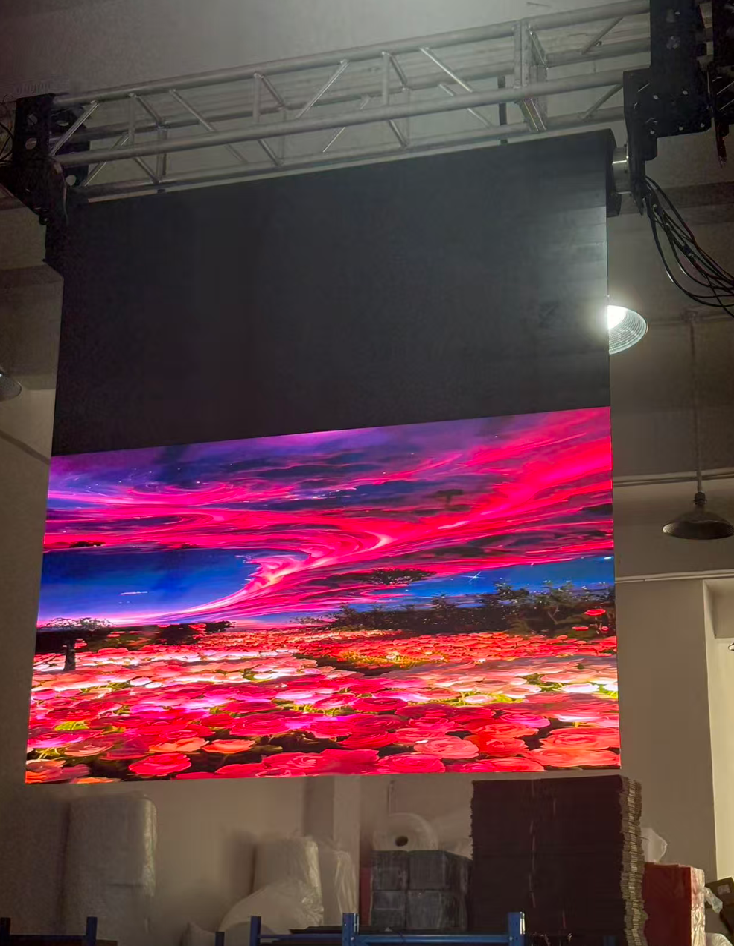
A roll up LED screen uses a flexible display structure that allows the screen to roll into a compact form when it is not in use. When deployed, the screen provides a large LED viewing surface without requiring the same cabinet based structure used by conventional LED video walls.
El Pantalla LED enrollable category from PTCLED illustrates this design with a flexible structure intended for transportation, storage, and repeated deployment.
Rollable Display Design
The defining feature of a roll up LED screen is its ability to support rolling and unrolling during normal use. This makes the format particularly useful when a display needs to move between locations or be stored after an event.
Compared with a permanently installed LED wall, a rollable screen can occupy less physical space during transportation and storage. The exact handling method depends on the product design and installation configuration.
Protección de superficies GOB
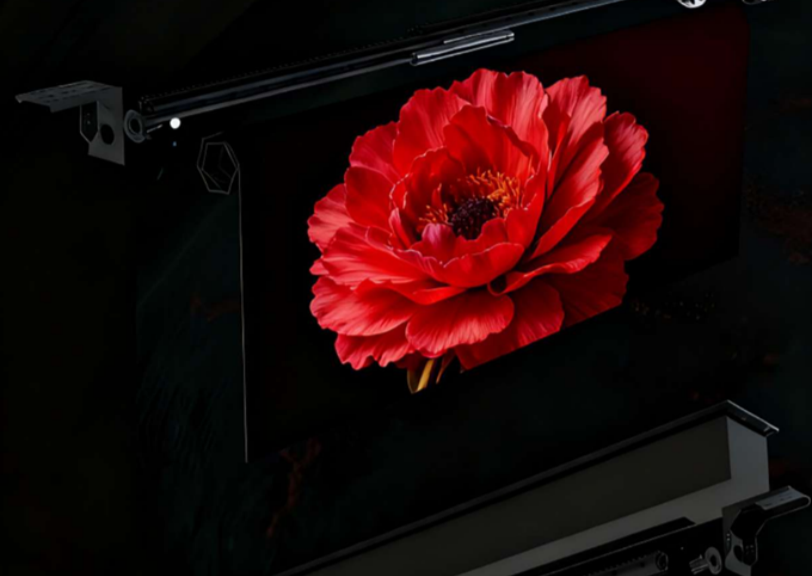
GOB technology can provide additional protection for LED display surfaces that are handled during transportation and installation. The IRO series uses GOB protection and provides IK10 impact resistance.
Its listed protection ratings are IP65 at the front and IP41 at the rear, providing additional protection for indoor applications where regular handling and transportation are required.
How Does a Roll Up LED Screen Differ From a Traditional LED Display?
Estructura del gabinete
Traditional LED video walls commonly use rigid cabinets assembled into a larger display. Each cabinet provides structural support for the LED modules, electronics, and power components.
A roll up LED screen uses a flexible display structure instead. This allows the screen to be rolled during transportation or storage and unfolded when it needs to be used.
Método de instalación
Traditional LED displays often require cabinet alignment and structural installation before operation. A rollable design is intended to simplify deployment by allowing the display to be unfolded rather than assembled from multiple rigid cabinets.
The IRO indoor rollable LED display is designed for quick installation and maintenance, making it suitable for indoor applications where the screen may need to be deployed and stored repeatedly.
Requisitos de almacenamiento
A rigid LED wall normally remains divided into cabinets during transportation and storage. A rollable display can be stored in a compact rolled configuration.
This difference can be particularly useful for exhibitions, corporate events, meeting spaces, and other environments where the display is not permanently installed.
How Do You Choose the Right Pixel Pitch?
Distancia de visualización
Pixel pitch is one of the most important specifications when selecting a roll up LED screen. It describes the distance between adjacent LED pixels in millimeters.
Smaller pixel pitches provide higher pixel density and are generally more suitable for close viewing. Larger pixel pitches can be appropriate when the audience is positioned farther from the screen.
Pasos de píxeles disponibles
The IRO series currently supports P0.78, P0.9, P1.25, P1.5625, P1.953, P2.6, and P3.91.
|
Tamaño de píxel
|
Distancia mínima de visualización
|
Aplicación típica
|
|
P0.78
|
≥0.78 m
|
Entornos de visión cercana
|
|
P0.9
|
≥0.9 m
|
Entornos de visión cercana
|
|
P1.25
|
≥1.25 m
|
salas de reuniones
|
|
P1.5625
|
≥1.56 m
|
Corporate and exhibition spaces
|
|
P1.953
|
≥1.95 m
|
Retail and event environments
|
|
P2.6
|
≥2.6 m
|
Larger indoor spaces
|
|
P3.91
|
≥3.9 m
|
Large event environments
|
The right choice should be based on the actual viewing distance rather than pixel pitch alone. Screen size, content type, room layout, and budget should also be considered during project planning.
Where Are Roll Up LED Screens Used?
Salones para conferencias
Rollable LED screens can provide a large visual surface for presentations, video conferences, product demonstrations, and corporate communication. When the display is not required, its rollable design can make storage easier than a permanent LED wall.
Espacios de Exposición
Trade shows and exhibitions often require displays that can be transported, installed, removed, and stored within a short project cycle. A roll up LED screen can support this workflow while providing a large digital display for product demonstrations and visual content.
Ambientes minoristas
Retail spaces may need digital displays without permanently occupying valuable floor or wall space. A rollable design can provide flexibility for promotional campaigns, temporary displays, and seasonal content.
Espacios para Eventos
Corporate events, presentations, product launches, and other temporary activities can benefit from displays that are easier to transport and deploy. The appropriate pixel pitch should be selected according to the audience distance and venue size.
What Should Buyers Consider When Selecting a Rollable LED Screen?
Tamaño de píxel
Start with the expected viewing distance. A close audience generally requires a finer pixel pitch, while a larger viewing distance can allow a larger pixel pitch without compromising perceived image quality.
Grado de protección
Check the protection specifications before purchasing. The IRO series lists front IP65 and rear IP41 protection, together with IK10 impact resistance.
Método de instalación
Consider how often the display will be installed, removed, transported, and stored. A rollable screen is most useful when portability and repeated deployment are important parts of the project.
Capacidad del proveedor
Supplier experience can also be useful when evaluating a rollable LED display for a long term project. Premteco was founded in 2003 and focuses on the research, design, manufacturing, and sales of LED displays. Its products are supplied to customers across more than 100 countries and regions.
For buyers comparing specifications, the Pantalla LED enrollable para interiores IRO provides a practical reference for available pixel pitches and technical configurations.
Frequently Asked Questions About Roll Up LED Screens
What Affects the Cost of a Roll Up LED Screen?
The main factors include pixel pitch, display size, LED component configuration, protection technology, control system, and project requirements. Finer pixel pitches generally require higher pixel density and can increase the overall display cost.
What Pixel Pitch Is Suitable for a Roll Up LED Screen?
The suitable pixel pitch depends mainly on viewing distance. The IRO series ranges from P0.78 to P3.91, with minimum viewing distances listed from 0.78 meters to 3.9 meters. Selection should also consider screen size, content, room layout, and viewing conditions.
Can a Roll Up LED Screen Be Used Repeatedly?
Yes. The main purpose of a rollable LED design is to support rolling, transportation, storage, and repeated deployment. Operators should follow the manufacturer's handling, installation, and storage instructions to protect the flexible display structure.
Is a Roll Up LED Screen Suitable for Indoor Applications?
Yes. The IRO series is an indoor rollable LED display designed for applications that require flexible deployment, including meeting rooms, exhibitions, retail environments, and temporary events.
Conclusión
A roll up LED screen offers portability, compact storage, and quick deployment compared with traditional rigid LED displays. When choosing one, consider pixel pitch, viewing distance, display size, protection, and installation requirements.
If you are planning a rollable LED display project, Contactar con PTCLED to discuss your requirements and get suitable display configurations and technical specifications.




