Broadcast studio technical directors and station operations managers face a constant challenge: keeping video walls looking flawless under high definition camera lenses.
A single flickering diode or slight color drift during a live show ruins the viewer experience and damages station credibility.Protecting your screen investment requires a proactive maintenance plan designed specifically for broadcast environments.
Beyond fixing obvious visual flaws, managing studio display infrastructure requires balancing optical quality with zero broadcast downtime. Keeping these specialized displays running smoothly comes down to technical accuracy, tight climate control, and structured component care tailored to professional television standards.
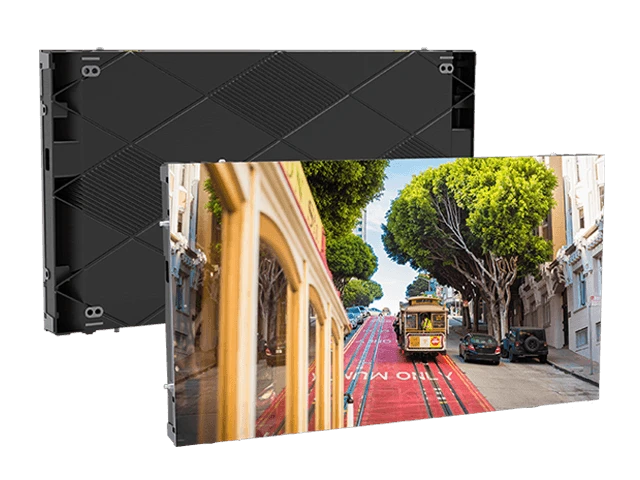
What Makes TV Station LED Maintenance Unique Compared to Standard Displays?
Mainstream commercial digital signage focuses mainly on brightness and attracting foot traffic. Broadcast displays, however, must satisfy strict optical requirements because camera lenses pick up micro flaws that the human eye misses.
Camera Performance Demands
High resolution broadcast cameras reveal minor panel variances instantly during live shows:
-
High Refresh Rates: Displays need refresh rates between 3840Hz and 7680Hz to eliminate scan lines and shutter flicker.
-
Camera Color Accuracy: Color output must accurately match Rec. 709 or DCI P3 color spaces across all brightness levels.
-
Wide Viewing Angles: Multi camera setups require consistent color rendition from extreme side angles during live switching.
-
Optical Interference Control: Fine pixel pitches need anti reflective surfaces to prevent Moiré interference patterns.
The True Cost of Downtime
Screen failure during a live broadcast causes immediate, public damage to station credibility. Unlike retail stores where minor display downtime causes little harm, broadcast operations cannot tolerate screen blackouts. This makes preventative care and signal redundancy essential.
|
Performance Metric
|
Standard Commercial LED Display
|
TV Studio LED Display
|
|
Primary Objective
|
Public messaging and foot traffic engagement
|
On camera color accuracy and zero flicker
|
|
Refresh Rate
|
1920Hz to 3840Hz
|
3840Hz to 7680Hz and higher
|
|
Service Access
|
Rear access or simple front access
|
Fast front service access
|
|
Downtime Tolerance
|
Moderate tolerance for planned service
|
Zero tolerance during live broadcasts
|
|
Color Calibration
|
Standard RGB factory settings
|
Camera matched Rec. 709 or DCI P3 profiles
|
Having established the technical requirements for studio environments, let us examine the practical daily routines needed to maintain peak visual performance.
Mastering Routine Maintenance for Broadcast Grade LED Walls
Maintaining uniform color across fine pitch studio screens requires structured daily, weekly, and quarterly procedures. Setting a regular schedule prevents minor component wear from turning into noticeable visual flaws during live operations.
Daily and Weekly Inspection Procedures
Routine daily checks keep display surfaces clean and help technicians spot emerging issues early:
-
Visual Surface Checks: Inspect panel faces using directional lighting to identify dead pixels or mask shifts before shows start.
-
Cable Strain Relief: Check power interconnects and data lines to prevent signal loss or intermittent power drops.
-
Dust Mitigation: Use anti static brushes or ionized air tools to remove surface dust without touching fragile micro solder pads.
Cleaning and Environmental Control
Regular inspection remains vital when operating a Fine Pitch LED Display within studio environments. Because broadcast production relies on consistent visual output, technicians should systematically verify module alignment, brightness uniformity, power connections, and signal paths. When cleaning delicate surfaces, avoid harsh chemical solvents like isopropyl alcohol, which degrade specialized optical coatings. Apply minimal physical pressure to protect micro pitch surface mount components.
Managing environmental conditions is equally critical for a long screen lifespan. Studio control rooms must maintain ambient temperatures between 20°C and 25°C with relative humidity controlled between 40% and 60%. Technicians should conduct monthly thermal imaging audits to detect overheating driver ICs before component failure occurs.
With physical maintenance protocols established, attention must turn to managing unexpected hardware failures during live broadcasts without disrupting signal delivery.
How to Execute Live On Air Hot Swapping Without Broadcast Interruption
Unexpected module failures can affect live broadcasts. TV stations should prepare compatible spare modules, accessible service structures, trained technicians, and backup systems to reduce maintenance time and minimize visible disruption.
Emergency Module Replacement Preparation
Compatible spare modules should be prepared in advance to maintain consistent brightness and color after replacement. Before live broadcasts, technicians should check service access, module connections, power supplies, and signal paths to support faster troubleshooting when issues occur.
Hardware Redundancy and Front Service
Modern studio LED displays may use redundant receiving cards, backup signal paths, and parallel power systems to reduce the impact of component failures.
Selecting a Front Service LED Display allows technicians to access modules and key components from the front, making maintenance easier in studios with limited rear access. Regular monitoring of power, signals, temperature, and system alerts can also help identify issues before they affect live production.
With reliable maintenance and redundancy measures in place, the next priority is maintaining consistent display performance under studio cameras.
Calibrating Broadcast LED Displays for Multi Camera Angles
Camera lenses process light differently than human eyes, making specialized optical calibration essential for studio displays.
Synchronizing Display Refresh Rates
Genlock synchronization connects the display video processor directly to the studio master clock. This locks frame rates tightly and prevents rolling black lines from appearing on camera viewfinders during production.
Color and Grayscale Fine Tuning
Color balance and grayscale accuracy require continuous refinement across production cycles:
-
3D LUT Integration: Load custom color lookup tables into processors to align display output with specific camera sensor profiles.
-
Low Brightness Grayscale Matching: Calibrate displays at lower nit levels (200 to 500 nits) to preserve shadow detail alongside foreground talent lighting.
-
Moiré Mitigation: Apply anti glare optical coatings and position talent so the display sits slightly outside the sharpest focal plane.
While precise optical calibration ensures pristine imagery on air, long term reliability relies equally on establishing structured preventive schedules.

Exclusive Checklist: Broadcast Grade Preventive Maintenance Protocols
A structured preventive maintenance framework reduces operational risk and protects capital investment over time.
Structured Maintenance Schedule
Developing a scheduled maintenance routine keeps equipment running reliably year after year:
-
Daily Tasks: Monitor real time telemetry software, check for stuck pixels, and verify Genlock signal locking.
-
Monthly Tasks: Perform infrared thermal scans on power supplies, clean intake fan pathways, and measure main line voltage stability.
-
Quarterly Tasks: Conduct camera matched color recalibrations, clear surface dust with ionized air, and test signal loop failover speeds.
-
Annual Tasks: Tighten frame mounting hardware, inspect internal ribbon cables for wear, and archive complete system configuration backups.
Software Diagnostics and Logging
Systematic software diagnostics log operational hours, operating temperatures, and diode degradation trends. When cumulative module failures reach defined thresholds, scheduled batch recalibration restores complete color uniformity across the screen assembly.
Evaluating hardware specifications alongside servicing needs leads naturally into selecting the underlying display technology.
Maintenance Support for TV Station LED Displays
Long-term LED display maintenance requires more than routine cleaning and component replacement. Technical troubleshooting, spare parts availability, system calibration, and after-sales support can all help TV stations maintain reliable operation.
Technical Support and Qualifications
Premteco has over 20 years of experience in LED display research, design, and manufacturing. Its team includes over 70 technical specialists, including 28 engineers and 42 after-sales technicians, supported by 6 quality control systems.
Qualified technical support can assist with troubleshooting, maintenance planning, component replacement, and long-term display operation.
Complete Service Coverage
Premteco provides services covering manufacturing, installation, commissioning, technical training, and long-term after-sales support.
Its LED display products meet relevant international requirements, including CE, EMC, LVD, RoHS, ETL, FCC, CB, IECEE, KC, and PSE compliance.
Frequently Asked Questions (FAQ)
What key factors influence the total maintenance cost of a TV station LED wall?
Maintenance expenses depend primarily on pixel pitch density, physical accessibility (front versus rear service designs), encapsulation technology (SMD versus COB), and the availability of batch matched spare modules. For customized operational support plans and precise budget evaluations tailored to your studio layout, contact Premteco directly.
What are common mistakes when cleaning fine pitch studio LED panels?
The most common mistake is using liquid glass cleaners or isopropyl alcohol directly on panel faces, which strips specialized anti reflective coatings. Another frequent error is applying excessive physical pressure during wiping, which can dislodge fragile surface mount micro diodes.
How long does a typical broadcast LED display module last before requiring replacement?
Broadcast grade LED modules generally deliver an operational lifespan of 80000 to 100000 hours under standard studio operating conditions. However, operating panels at elevated brightness levels or in inadequate ambient cooling environments will accelerate diode aging and require earlier module replacements.
What lead time is typically required for custom spare module manufacturing?
Manufacturing custom spare modules matching specific production binning lots generally requires 4 to 6 weeks. Securing an initial spare parts allocation of 3% to 5% during original display procurement helps ensure uninterrupted color matching throughout the display lifecycle.
Conclusion
Preventative maintenance represents a fundamental operational strategy for modern television studios, ensuring pristine visual quality and protecting live broadcasts from unexpected disruption. By combining daily physical checks, front service access hardware, precise camera calibration, and structured lifecycle support, broadcast managers can eliminate downtime risks effectively.
Establishing a resilient studio display infrastructure requires continuous technical care and proven hardware engineering. Contact Premteco today to optimize your studio LED wall maintenance strategy or explore custom broadcast display solutions.




