Traditional LED video walls deliver bright, seamless visuals, but their installation can involve multiple external components, including video processors, sending cards, power supplies, and cables. This can make setup and daily operation more complicated for commercial users.
An all in one LED display simplifies this process by integrating key display and control components into a unified system. It provides a clean, easy-to-operate solution for conference rooms, classrooms, control rooms, and other commercial spaces.
What Is an All in One LED Display?
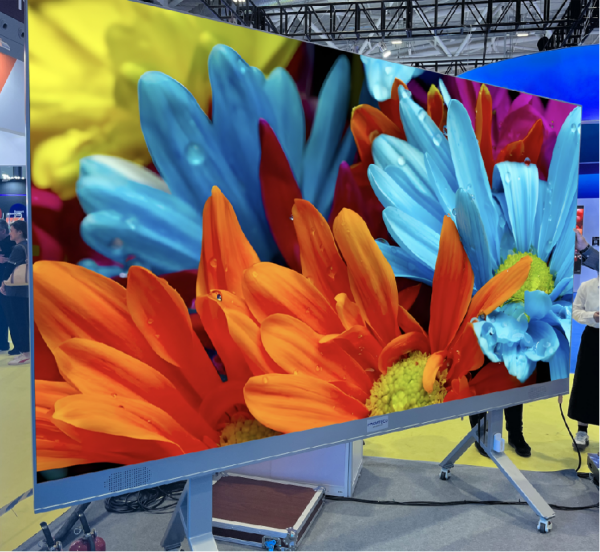
An all in one LED display is a large-format LED display that integrates the screen, control system, power components, and other essential functions into a unified cabinet or system. Instead of combining multiple external devices, users can operate the display through a more streamlined setup.
Integrated System Architecture
Traditional LED video walls often rely on separate video processors, sending cards, receiving cards, power supplies, and audio equipment. An all in one LED display integrates many of these components into the display structure, reducing the amount of external hardware required.
Simplified Installation
With fewer external components and cables, an all in one display can simplify installation and system configuration. Common input options such as HDMI allow users to connect laptops and other source devices directly, while supported wireless functions can make content sharing more convenient.
PTCLED's All in One Display combines an integrated design with features intended for modern commercial environments.
How Does an All in One LED Display Work?
An all in one LED display combines signal processing, power distribution, and LED modules within an integrated system. This design reduces the need for separate equipment and makes the overall system easier to manage.
Internal Signal Processing
In a traditional LED setup, video signals typically pass through external processing equipment before being distributed to individual cabinets. An all in one system handles much of this processing through integrated control hardware.
This allows users to connect common video sources directly to the display while keeping signal connections organized inside the system.
Concealed Cable Management
Integrating power and signal components into the cabinet helps reduce exposed wiring around the display. This creates a cleaner installation and helps keep signal and power connections organized.
Many commercial LED displays also use front-service designs, allowing technicians to access internal components from the front when maintenance is required.
What Features Does an All in One LED Display Offer?
The main advantage of an all in one LED display is not simply its size. Its integrated design can improve installation, operation, and maintenance across different commercial environments.
Seamless Large-Format Visuals
Unlike LCD video walls, which have visible bezels between individual panels, LED displays can create a continuous viewing surface. This makes them suitable for presentations, video conferencing, dashboards, digital signage, and other content that benefits from a large uninterrupted canvas.
Interactive Meeting Functions
Some all in one LED displays are designed for collaboration and presentations. Depending on the model, features can include touch interaction, digital whiteboarding, wireless screen sharing, and multiple input sources.
For meeting-focused applications, PTCLED's Interactive Meeting LED Display supports functions such as infrared touch, whiteboard annotation, wireless display, and split-screen casting.
These functions allow the display to serve as more than a visual output device in modern meeting and teaching environments.
What LED Technologies Are Used in All in One LED Displays?
Different LED packaging technologies can be used in all in one displays. The right choice depends on pixel pitch, viewing distance, application requirements, and the expected operating environment.
SMD Technology
SMD LED technology is widely used for indoor fine-pitch displays. It offers good color uniformity and wide viewing angles, making it suitable for meeting rooms, classrooms, showrooms, and other commercial spaces.
COB Technology
COB technology is designed for fine-pitch LED applications where a more protected display surface is desirable. By mounting LED chips directly onto the PCB and using a protective encapsulation structure, COB displays can support fine pixel pitches while improving surface protection.
For applications that require a durable surface and close-range viewing, the COB LED Display can be an alternative to conventional SMD displays.
Where Can an All in One LED Display Be Used?
All in one LED displays are suitable for commercial environments where large-format visuals, simple operation, and a clean installation are important.
Corporate Boardrooms and Meeting Rooms
In corporate meeting spaces, an integrated LED display reduces the need for separate AV equipment. Users can connect laptops or other sources and start presentations without managing multiple external devices.
PTCLED's All in One Series is designed for applications including meeting rooms, traffic control rooms, television studios, and exhibition centers.
Control Rooms and Educational Spaces
Control rooms can use large LED displays to present monitoring data, maps, dashboards, and video feeds on a seamless visual surface.
In classrooms and lecture halls, large LED displays provide clear content visibility from different viewing positions and can support presentations, video lessons, and interactive teaching.
Event and Commercial Spaces
All in one LED displays can also be used in event venues, showrooms, reception areas, and other commercial spaces that require high-impact visual communication without a complex AV installation.
How Does an All in One LED Display Differ from a Traditional Video Wall?
The main differences between an all in one LED display and a traditional video wall relate to system architecture, installation, operation, and maintenance.
Hardware Complexity
|
Factor
|
All in One LED Display
|
Traditional Video Wall
|
|
Hardware
|
Integrated system
|
Multiple external components
|
|
Installation
|
Simplified
|
More complex
|
|
Cabling
|
Reduced external wiring
|
More external connections
|
|
Operation
|
Easier for general users
|
May require AV configuration
|
|
Maintenance
|
Often designed for front access
|
Depends on system design
|
|
Application
|
Commercial and meeting environments
|
Highly customized installations
|
Operational Simplicity
Traditional video walls may require users to manage separate processors, controllers, power systems, and source devices. An all in one LED display brings more of these functions together, making daily operation easier for non-technical users.
However, traditional modular systems can still be advantageous for very large, customized, or technically complex installations.
How Can Buyers Evaluate the Total Cost of Ownership?
The purchase price is only one part of the total cost of an LED display. Buyers should also consider installation labor, supporting equipment, maintenance, energy consumption, and long-term service requirements.
Installation and Labor Requirements
A system that requires fewer external components can reduce installation complexity and site preparation. Buyers should compare not only the display price but also the cost of mounting structures, external processing equipment, cabling, and professional installation.
Maintenance and Service Access
Front-service access can make module and component replacement easier in environments where access to the rear of the display is limited.
Before purchasing, buyers should confirm how modules, power supplies, control components, and other serviceable parts can be accessed and replaced.
Weight and Installation Conditions
Large LED displays can place significant loads on walls and mounting structures. Buyers should confirm the display dimensions, total weight, mounting method, and wall load capacity before installation.
For installations where wall mounting is unsuitable, a properly designed floor stand or mobile solution may be considered.

How Should You Evaluate an LED Display Manufacturer?
Choosing the right manufacturer is as important as selecting the display technology. A reliable supplier should provide consistent product quality, technical support, and solutions that match the project's requirements.
Manufacturing and Quality Control
Look for manufacturers with established production processes and quality-control procedures covering LED modules, power systems, control components, cabinet assembly, and finished displays.
Technical support is also important for commercial projects that require installation guidance, configuration assistance, or after-sales service.
Industry Experience
An experienced manufacturer can better understand the practical requirements of different commercial environments, from boardrooms and classrooms to control centers and event spaces.
PTCLED has been engaged in LED display research, design, and manufacturing since 2003, providing LED display solutions for customers in different markets.
Frequently Asked Questions
What Is Included in an All in One LED Display Package?
A package can vary by model and supplier. Depending on the product, it may include the LED display, integrated control components, power system, speakers, mounting accessories, remote control, and other accessories.
Buyers should confirm the exact package contents with the manufacturer before placing an order.
Does an All in One LED Display Require an External Video Processor?
For standard presentations and meeting applications, an external video processor may not be necessary because the display can include integrated control and processing functions.
However, specialized installations with multiple sources or advanced signal management may still require additional processing equipment.
How Long Does an All in One LED Display Last?
The service life of an LED display depends on the LED components, operating brightness, usage conditions, ventilation, and maintenance.
Choosing reliable components and operating the display within the manufacturer's recommended conditions can help maintain consistent performance over the long term.
How Do You Replace a Damaged Module?
Many indoor LED displays use front-service designs that allow technicians to access LED modules from the front of the screen.
The exact replacement procedure depends on the cabinet and module design. Technicians should follow the manufacturer's maintenance instructions when replacing damaged components.
Conclusion
An all in one LED display integrates essential display, control, and power components into a unified system, reducing hardware complexity, external cabling, and installation requirements compared with traditional LED video wall configurations.
For corporate boardrooms, classrooms, control rooms, and other commercial environments, this integrated architecture provides seamless large-format visuals while simplifying system operation and maintenance.
When selecting an all in one LED display, buyers should evaluate pixel pitch, display technology, installation conditions, service access, system integration, manufacturer capabilities, and long-term technical support. For project-specific requirements, Contact Us to discuss your application and receive professional technical guidance.




