How to Choose the Right Transparent LED Display for Your Business
September. 22,2025In this article, we will provide some tips to help you select the perfect display for your business.

In this article, we will provide some tips to help you select the perfect display for your business.
When choosing an LED display, one of the most critical technical specs to understand is its IP rating. This rating defines how well the screen is protected against dust and water. Two of the most common ratings you will see are IP54 and IP65.
Mini LED refers to an LED chip with a size of 100 μm, which is between small-pitch LED and Micro LED, and is the result of further refinement of small-pitch LED. The small-pitch LED refers to the LED backlight or display product with the adjacent lamp bead point spacing below 2.5 mm.
Today we will compare three different products, SMD LED, DIP LED and COB LED. Hope this articles can help you have a better understanding of these three products.
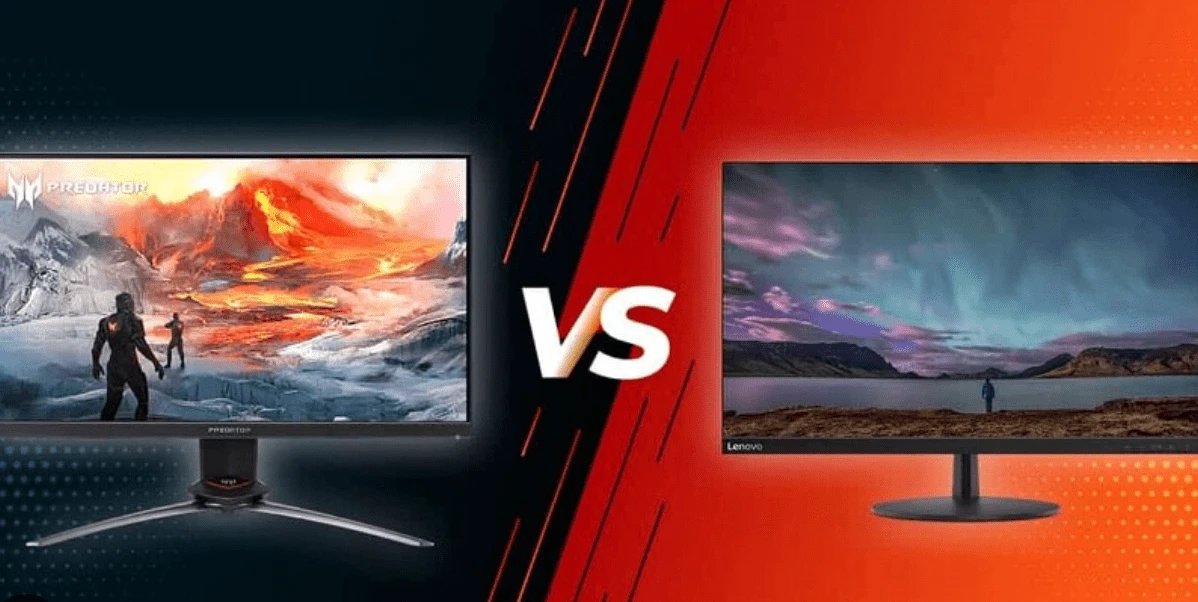
In this article, we are explaining the significant differences between LCD and LED, which will help us know the usage and benefits of both. This will also help us understand which one should be considered when purchasing any product based on LCD and LED.
Explore the pros and cons of wired and wireless LED display connections and discover which method best suits your installation needs.
Candela, lux, and lumens are essential units for measuring light in LED displays. This guide explains what each unit means, how they relate, and how to calculate them. Understanding these metrics helps users choose the right LED screen for different environments—from indoor applications to high-brightness outdoor video walls.
This article offers a clear comparison between IPS and AMOLED screen technologies. It covers core differences in backlighting, color reproduction, power consumption, viewing angles, and use cases. Readers will understand which display type best suits smartphones, monitors, and LED panels across different scenarios.
This article explains the key differences between frame rate and refresh rate, how they work together, and why both matter in LED display systems. It covers practical effects on motion clarity, visual stability, and display performance across real-world scenarios like concerts, advertising, and broadcast environments.
It's no longer enough for display screens to be “clear.” In conference rooms, control centers, and broadcast studios, clarity must meet precision—pixel by pixel. As digital workflows demand richer visuals and seamless communication, fine pitch LED displays are stepping in to replace aging LCD and projection systems. With pixel pitches as tight as P0.9 and support for 4K HDR, these displays enable detailed visualization even at close range. This article explores the core innovations, technical advantages, and practical applications of fine pitch LED screens, along with expert insights to help you choose the right model.
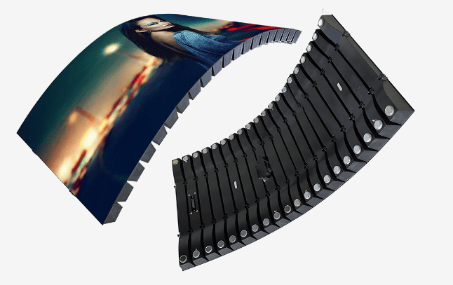
When display surfaces start to curve, most traditional LED panels fall short. That’s where COB flexible LED screens come in—not as a futuristic concept, but as a practical solution already being used in retail stores, exhibition halls, and creative installations. This guide takes a close look at what they are, what makes them different, where they perform best, and how to choose the right one for your project.
By continuing to use the site you agree to our privacy policy Terms and Conditions.